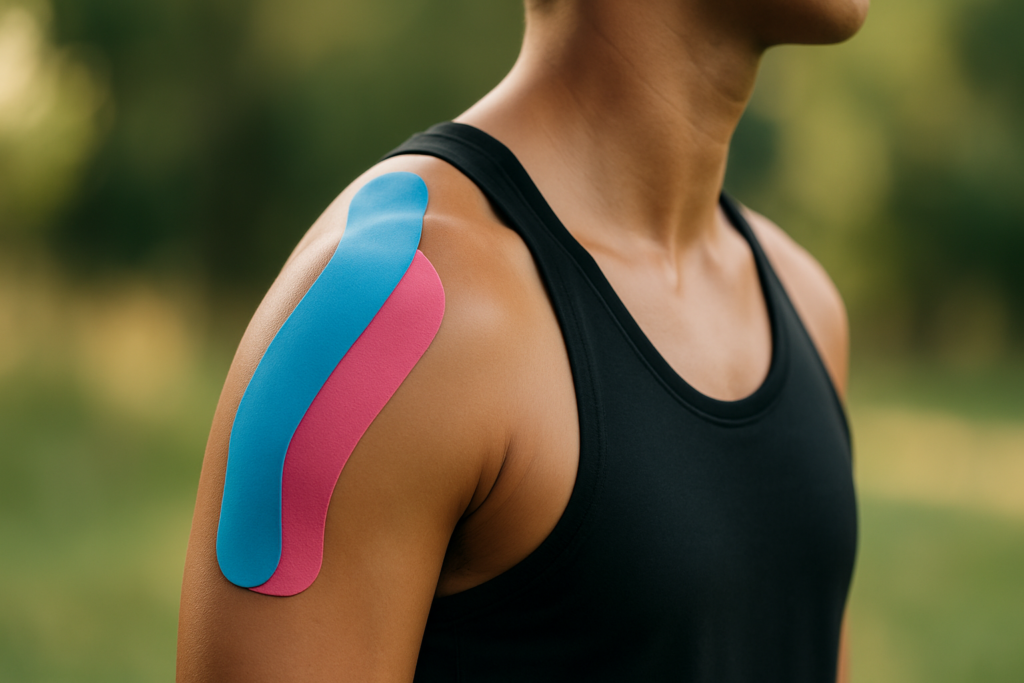
Kinesiology tape is a stretchable, adhesive tape applied to the skin to support the muscles, reduce pain, and improve movement without restricting range of motion. You’ve probably seen it on athletes — colorful strips running across shoulders, knees, or backs — but it’s used far beyond sports.
People often wonder: Does it really work? Can it actually relieve pain, reduce swelling, or boost circulation just by sticking it on? This article breaks down the science behind it — what kinesiology tape does, how it interacts with the body, and when it can be helpful.
We’ll explain exactly how kinesiology tape works, what it can and can’t do, and how to use it correctly, whether you’re recovering from an injury or improving your posture Understanding how kinesiology tape functions is the first step.
Does Kinesiology Tape Work?
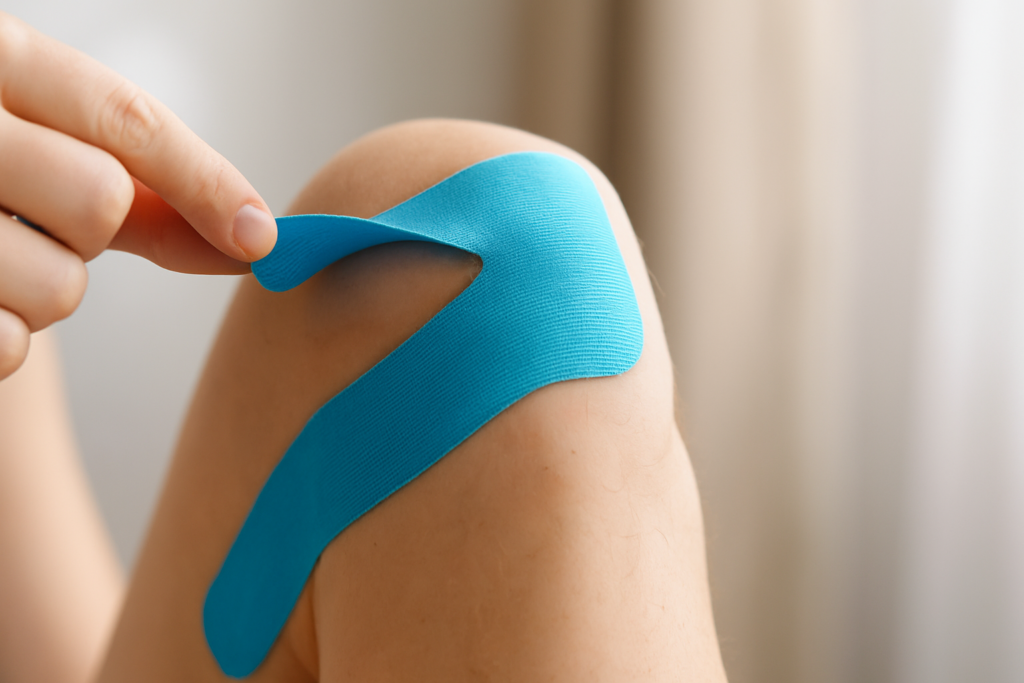
The short answer: yes — but with limits. Kinesiology tape isn’t magic, but it can help. It works by lifting the skin slightly, creating space that may improve circulation and reduce pressure on pain receptors. The result? Less discomfort, more movement, and faster recovery in many cases.
Clinical research shows kinesiology tape can support joint alignment, aid lymphatic flow, and provide neurosensory feedback. But it’s not a fix-all. It won’t heal structural injuries, such as torn ligaments, or replace physical therapy. Its effects are also temporary — the tape helps while it’s on, not after it’s off.
So, does kinesiology tape work? It depends on what you’re using it for. It’s most effective for mild to moderate muscle support, posture aid, and relief from swelling. When combined with proper movement and treatment, it becomes a powerful tool, not a miracle cure.
👉 Cleveland Clinic: What Is Kinesiology Tape and How It Works – a helpful reference.
Kinesiology Tape for Swelling and Bruising
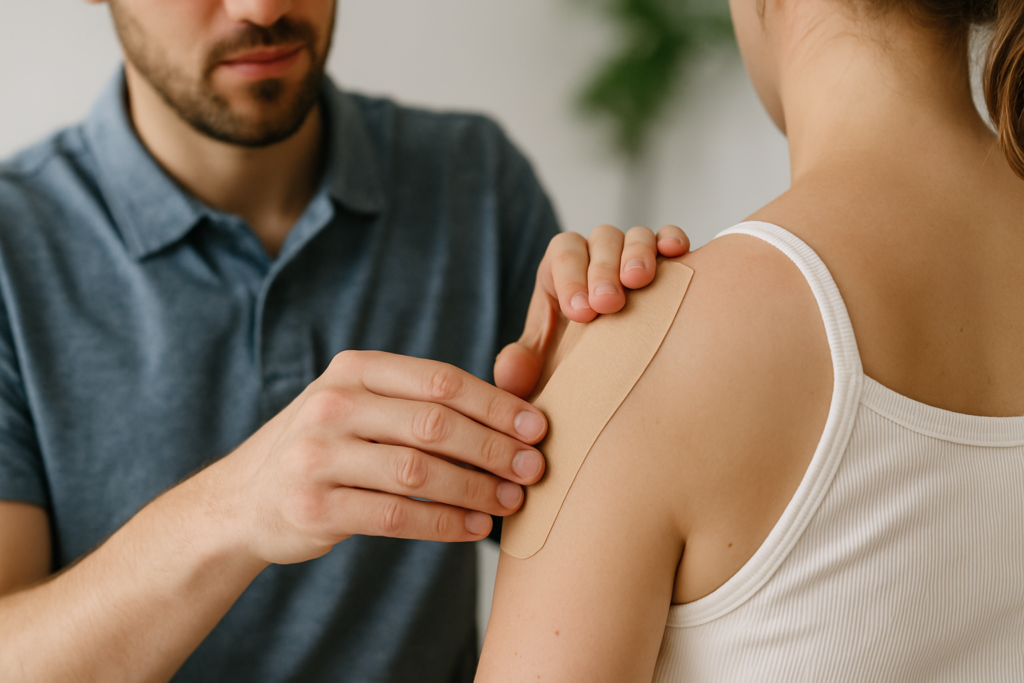
Swelling and bruising are common after injury, and kinesiology tape for swelling and bruising helps by encouraging lymphatic drainage. The tape’s elastic recoil gently lifts the skin, which creates space under the surface to move fluid away from the area.
This technique is beneficial for sprains, post-surgical recovery, and bruised tissue. Many athletes also use tape to reduce swelling after intense training or impact. It’s not a replacement for rest and elevation, but it’s a great supplement.
Does Kinesiology Tape Increase Circulation?
Yes — to a degree. By lifting the skin microscopically, kinesiology tape increases circulation in the areas just beneath the skin. This space allows improved movement of blood and lymphatic fluid, which may reduce inflammation and speed up recovery.
It’s important to note that improving blood flow with tape works best in dynamic movement, not when you’re totally at rest. Think of the tape as a helper — it assists the body’s natural pump systems, especially during light activity.
Kinesiology Tape Benefits

Kinesiology tape offers more than just physical support — it also provides neurological and sensory feedback that enhances body awareness and movement quality. The biggest kinesiology tape benefits include improved posture, reduced pain, increased proprioception, and freedom of motion during recovery.
The tape works by stimulating receptors in the skin that communicate with your brain. This helps you subconsciously adjust how you move, keeping joints more stable and muscles more engaged. Another benefit? The tape doesn’t limit motion like braces or wraps — it supports without stiffness.
While kinesiology tape benefits vary by individual, the consistent result is better movement and body control. That’s why it’s popular not just with athletes, but also office workers, rehab patients, and anyone needing non-invasive support.
Kinesiology Tape for Proprioception
Using kinesiology tape for proprioception helps your brain sense where your limbs are in space — even with your eyes closed. This is especially useful during rehab or when retraining balance and coordination.
The gentle tension of the tape provides a constant signal to your nervous system, improving body awareness during movement. This makes it a favorite among physical therapists and trainers for performance and recovery.
Does Kinesiology Tape Improve Proprioception?
Research and practice suggest that yes, kinesiology tape improves proprioception, especially in unstable joints or during early injury recovery. By increasing sensory input, the tape guides better movement patterns without adding bulk or restriction.
This effect helps users regain confidence in movement and refine their balance and movement control. It’s a subtle but powerful boost that works best when paired with exercise and retraining.
Kinesiology Tape Uses and Application Tips
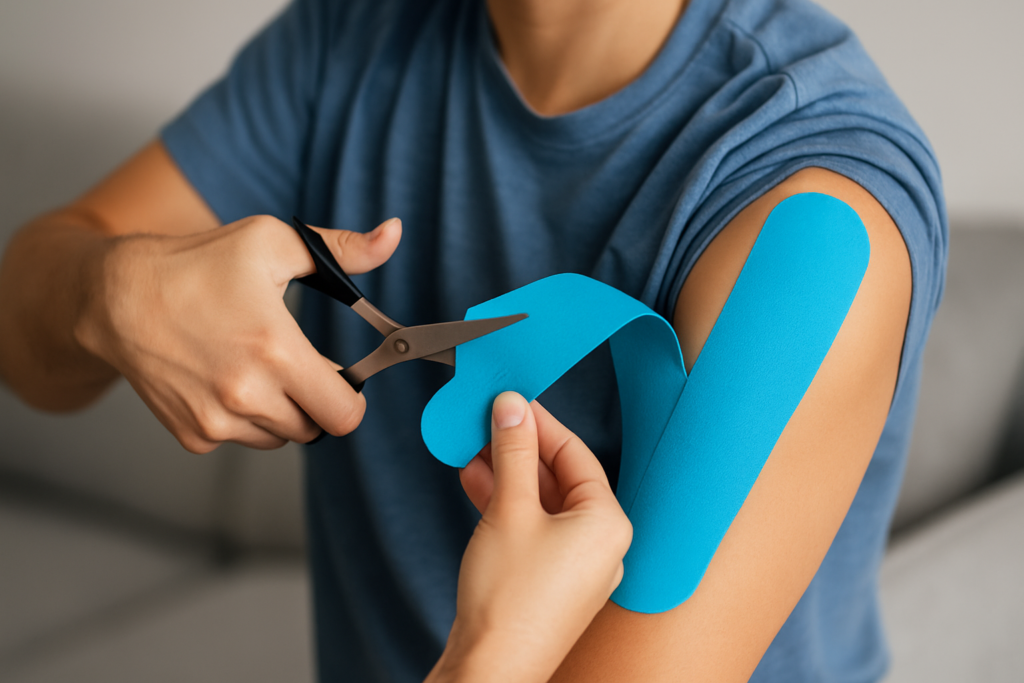
People use kinesiology tape for everything from athletic recovery to posture correction and fluid drainage. The most common kinesiology tape uses include muscle support, joint stabilization, pain relief, and swelling reduction. It’s also widely used in post-surgery rehab and lymphatic work.
Correct application is key. Tape works best when applied to clean, dry skin with proper tension and direction. Using tape incorrectly — too much stretch, wrong angle, or poor anchor — reduces its effectiveness. That’s why knowing some basic kinesiology tape application tips makes a big difference.
Whether you’re taping a sore knee or stiff shoulders, understanding when and how to apply the tape ensures better results. It’s not just about sticking it on — technique matters.
👉 RockTape’s How-To Guide – solid reference for taping positions and application tips.
Kinesiology Tape for Lymphatic Drainage
When applied with light tension and proper spacing, kinesiology tape for lymphatic drainage helps reduce fluid buildup and promote detox in swollen areas. It’s often used after surgery or in cases of lymphedema.
The tape lifts the skin to create channels for fluid movement. This technique is especially useful on limbs. Therapists often apply tape for fluid release in wave or fan shapes to guide lymph flow.
How to Apply Kinesiology Tape
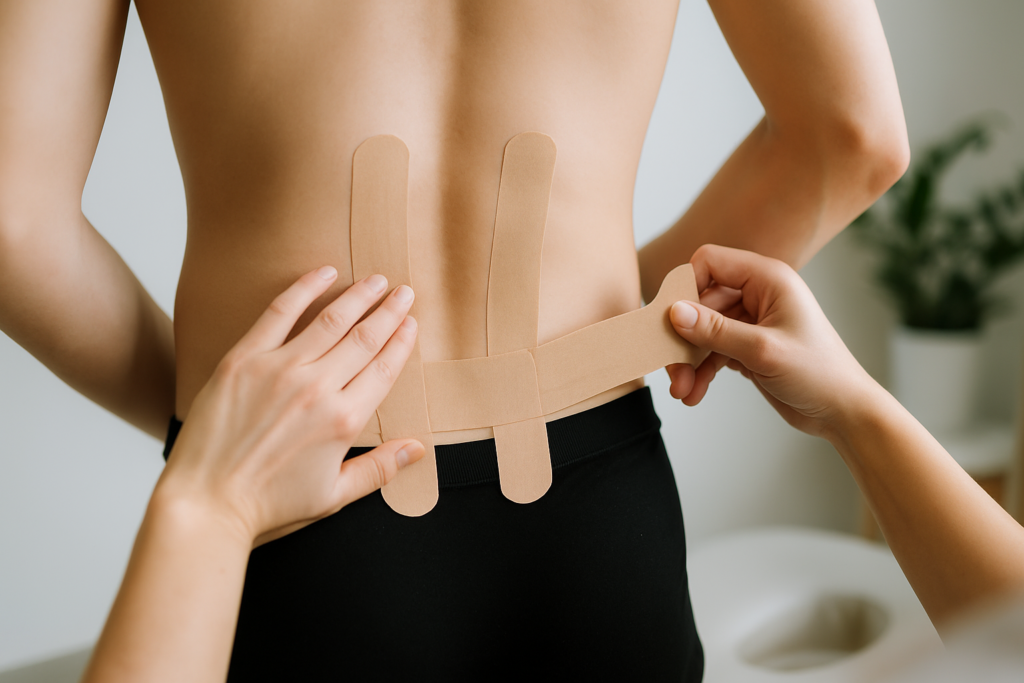
Applying kinesiology tape correctly means more than peeling and sticking. Always round the edges, avoid touching the glue, and apply 25-35% stretch based on the goal. Leave the last inch on each end with no stretch to secure it.
Start with an anchor, then follow the muscle or fluid path. Direction and body position matter — the body should be in a stretched posture during measurement. A clean taping technique helps the tape last longer and stay effective.
Conclusion
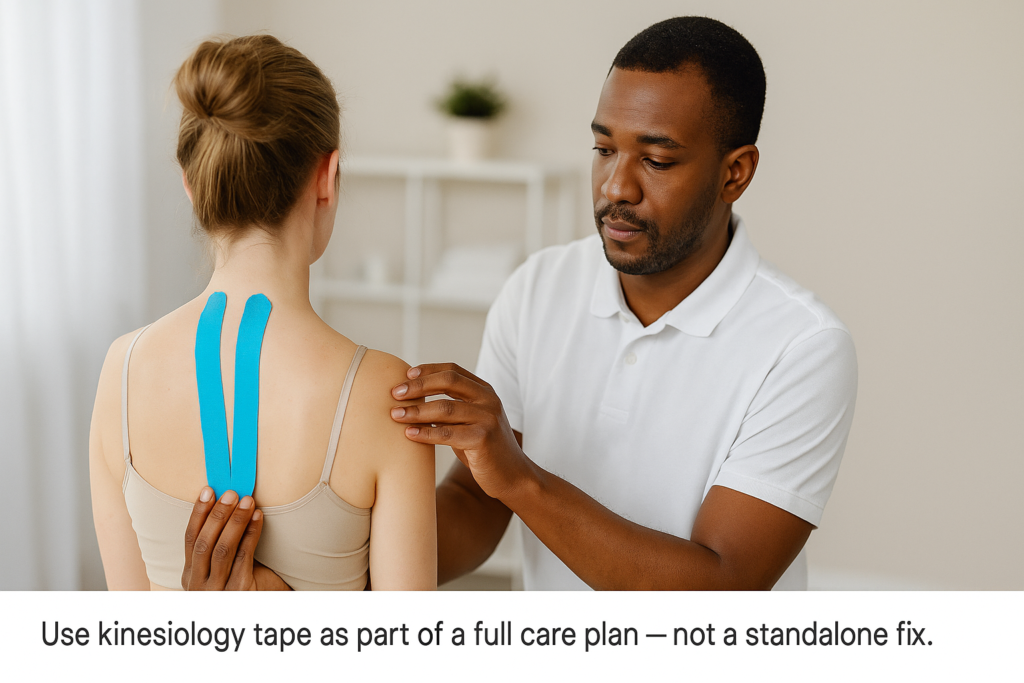
Kinesiology tape isn’t just for athletes — it’s a practical tool for anyone needing support, pain relief, or better movement. It works by interacting with your body’s skin, muscles, and nerves to enhance performance and speed up recovery.
Understanding how kinesiology tape functions helps you get the most from it. When applied correctly, it can reduce swelling, support joints, and improve proprioception — all without limiting mobility.
But remember: it’s not a fix-all. For best results, use it as part of a complete care strategy.
Need help? Consult a trained pro to apply it safely and effectively.