
You think you know yourself until you get behind the wheel. The calm person at the dinner table becomes an aggressive tailgater in traffic. The confident leader freezes at a four-way stop. Your driving style isn’t random—it’s a window into how you handle stress, control, and fear in every part of life.
This article breaks down the types of drivers you see on the road every day. We are not talking about workplace personality types, but real driving behavior—and what each type reveals about you—not just labeling but real insight you can use.
We’ll explore the psychology behind why certain people drive aggressively, while others hesitate. Emotions take over your decision-making behind the wheel. What do your habits say about your inner personality? You’ll also learn practical ways to manage road stress and turn awareness into action.
By the end, you’ll recognize your own driving style patterns instantly—and know precisely how they show up in the rest of your life. Let’s start with the psychology underneath it all.
The Psychology Behind Driver Personality Types

Understanding the Different Types of Drivers
Driving reveals your social personality. You can’t fake calmness when someone cuts you off at 65 mph. Behind the wheel, your true driver personality types emerge because the road demands instant reactions—there’s no time to practice your response.
When you’re overstressed in traffic, your brain defaults to survival mode: fight, flight, or freeze. Some people become aggressive (fight), some panic and slow down (flight), and others lock up at intersections (freeze). These aren’t random. They’re emotional regulation patterns you carry everywhere—work, relationships, conflict. The road makes them visible.
Now contrast confidence versus fear. Confident drivers trust their instincts. They merge smoothly, make decisions quickly, and adjust without panic. Fearful drivers show personality patterns rooted in worst-case thinking—”What if I crash? What if someone hits me?” This fear makes them hesitant, which ironically creates danger.
Confidence isn’t recklessness; it’s earned trust in yourself. Fear isn’t caution; it’s paralysis. Understanding these personality traits in driving helps you see which pattern dominates your life. Are you decisive or do you second-guess everything? The steering wheel tells the truth.
The Psychology Behind Different Driver Types
The psychology behind different driver types starts long before you get your license. If your parents drove aggressively, you likely absorbed that pattern. If your first accident left you shaken, fear might still control your decisions years later.
Ego plays a role too—some people view being passed as a personal insult, so they speed up defensively. Stress amplifies whatever’s already there: the psychological drivers behind different driving types include unresolved anger, control issues, or anxiety that has nothing to do with the road.
Understanding why different driver types have distinct psychologies helps you recognize your triggers. You’re not reacting to traffic; you’re reacting to old patterns.
Understanding Your Behavior While Driving

Driving starts with awareness. Next time you’re driving, notice your body. Is your jaw clenched? Your body is tense. Are you gripping the steering wheel so hard your knuckles turn white? Do you curse at red lights or get heavily anxious in traffic?
These physical cues reveal how you handle stress in various situations. If you’re learning to understand your driving behavior, start by observing without judgment. Track your speed.
How emotions affect driving habits isn’t subtle—it’s immediate and dangerous. Anger floods your system with adrenaline, making you tailgate, speed, and take risks you’d never consider when calm. Fear does the opposite: it freezes decision-making, causing you to brake suddenly or miss merge opportunities.
Drivers need to adapt. They notice anger rising and consciously slow down. They feel fear but don’t let it paralyze them. The difference between rigid and flexible emotional states determines whether you create accidents or avoid them.
If you want to see how emotions shape driving habits, pay attention the next time you’re upset before getting in the car. That frustration from work? It just turned you into a different driver—one who makes worse decisions without realizing it, when you hesitate, when anger flares.
The patterns you notice at the wheel are the same ones showing up in your relationships and work. Recognize your behavior patterns while driving, and you’ll recognize yourself.
H2: How Emotions Affect Driving Habits

How emotions affect driving habits isn’t set—it’s immediate and dangerous. Anger floods your system with adrenaline, making you tailgate, speed, and take risks you’d never consider when calm. Fear does the opposite: it freezes decision-making, causing you to brake suddenly or miss merge opportunities. Excitement makes you overconfident and careless. When you’re emotionally rigid—stuck in one feeling—you drive dangerously. Understanding how your emotions impact your driving patterns means recognizing that your mood literally changes your reaction time and judgment behind the wheel.
A relaxed driver can adapt. They notice anger rising, consciously slowing down, and they feel fear but don’t let it paralyze them. If you want to see how emotions shape driving habits, pay attention the next time you’re upset before getting in the car. That frustration from work? It just turned you into a different driver—one who makes worse decisions without realizing it.
H3: Adapting Your Style to Different Road Conditions
Good drivers adapt their driving style to different road conditions without thinking. Rain means slower speeds and more distance. Heavy traffic requires patience, not aggression. If you’re in a bad mood, you might need to compensate—maybe turn on some calming music or leave earlier to reduce pressure.
Rigid drivers refuse to adjust. They drive the same speed in fog as sunshine, push through gridlock with rage, and let emotions dictate every move. Adjusting your driving to match conditions isn’t a weakness—it’s intelligence. The road changes constantly: weather shifts, traffic patterns fluctuate, and your energy varies.
Flexible drivers who adapt to changing conditions survive, while stubborn drivers crash.
H2: The 7 Different Kinds of Drivers
There are seven different kinds of drivers you encounter daily, each running on a specific emotion. The Aggressive Driver operates from rage and the need for control—every car in front is an obstacle to dominate.
The Cautious Driver is powered by fear of making mistakes, constantly second-guessing every move. The Distracted Driver runs on disconnection—their mind is anywhere but the road. These aren’t random behaviors. When you understand the types of different drivers on the road, you see emotional patterns, not just bad habits.
There are seven different kinds of drivers you encounter daily, and each one runs on a specific emotion. The Aggressive Driver operates from rage and the need for control—every car in front is an obstacle to dominate. The Cautious Driver is powered by fear of making mistakes, constantly second-guessing every move. The Distracted Driver runs on disconnection—their mind is anywhere but the road. These aren’t random behaviors. When you understand the types of different drivers on the road, you see emotional patterns, not just bad habits.
The Confident Driver operates from mastery and earned trust in their skills—calm, decisive, aware. The Anxious Driver is fueled by catastrophic thinking, seeing danger everywhere, and freezing under pressure.
The Reckless Driver chases adrenaline and thrills, treating every trip like a race. The Polite Driver values respect and harmony, letting others merge and maintaining peace. Recognizing these different driver types helps you identify your own pattern. Which emotion drives you?
Most people show traits of multiple types depending on stress, mood, or situation. But everyone has a dominant pattern—the emotion that emerges when pressure hits. Understanding these kinds of driving personalities gives you a mirror to your own behavior.
Look closely. Which driver are you when nobody’s watching?
H3: What Your Driving Style Says About You
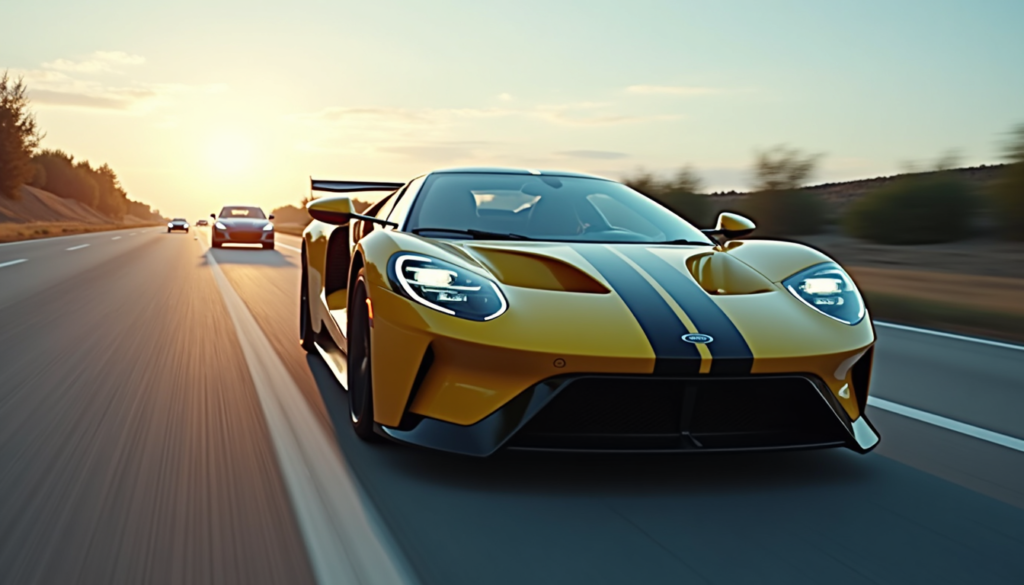
What your driving style says about you extends far beyond the road. Aggressive drivers need control—at work, they micromanage; in relationships, they dominate conversations.
Cautious drivers crave security—they avoid risks in their careers and need constant reassurance from partners. Confident drivers trust themselves—they take calculated risks and handle conflict without panic.
Anxious drivers catastrophize everything—missed deadlines feel like disasters, and minor relationship issues spiral into worst-case scenarios. Recognizing what your driving style reveals about you means accepting that the steering wheel is just one place where these patterns appear.
Reckless drivers chase thrills everywhere—job-hopping, impulsive decisions, volatile relationships. Polite drivers value harmony above all—they’re peacemakers at work and avoid confrontation in their personal lives. Distracted drivers struggle with presence—half-listening in meetings, scrolling during conversations, never fully engaged. Understanding your driving habits and what they reveal about you provides a diagnostic tool. Watch yourself behind the wheel for one week. The patterns you notice—impatience, fear, confidence, distraction—are the same ones shaping your career trajectory and your relationships. The road doesn’t lie. It shows you exactly who you are under pressure.
H2: Common Driving Behaviors and Their Hidden Meaning
Certain common driving behaviors reveal more than you think. Tailgating isn’t just impatience—it’s a control issue. You’re trying to force someone to move through intimidation.
Honking excessively shows low frustration tolerance and need for immediate response. Glancing at your phone mid-drive signals disconnection from consequences and inability to stay present.
Speeding up at yellow lights demonstrates risk-taking and rule-bending when you think nobody’s watching. These everyday driving behaviors aren’t random. They’re windows into how you handle authority, patience, and impulse control everywhere else.

Certain common driving behaviors reveal more than you think. Tailgating isn’t just impatience—it’s a control issue. You’re trying to force someone to move through intimidation. Honking excessively shows low frustration tolerance and need for immediate response. Glancing at your phone mid-drive signals disconnection from consequences and inability to stay present. Speeding up at yellow lights demonstrates risk-taking and rule-bending when you think nobody’s watching. These everyday driving behaviors aren’t random. They’re windows into how you handle authority, patience, and impulse control everywhere else.
Refusing to let people merge reveals territorial thinking—treating shared space like personal property. Checking mirrors obsessively shows anxiety and hypervigilance. Changing lanes constantly without gaining time displays restlessness and inability to commit. Understanding these typical behaviors drivers exhibit helps you see patterns. Ask yourself: Do I need to control every situation? Can I tolerate waiting? Do I respect shared spaces? Your answers behind the wheel are your answers everywhere. The car just makes them visible and impossible to hide.
H3: Managing Road Stress Before It Manages You
Road stress builds slowly until it explodes. Prevent it with simple tools. Before driving, take three deep breaths—inhale for four counts, hold for four, exhale for six. This shifts your nervous system from fight mode to calm.
During the drive, practice perspective shifts. That person who cut you off? Maybe they’re rushing to the hospital. You don’t know their story.
After intense commutes, give yourself recovery time—sit in the car for two minutes before walking inside, or take a short walk. Don’t carry road rage into your home. Managing stress before it manages you means building small habits that keep your nervous system regulated. Start with one technique today.
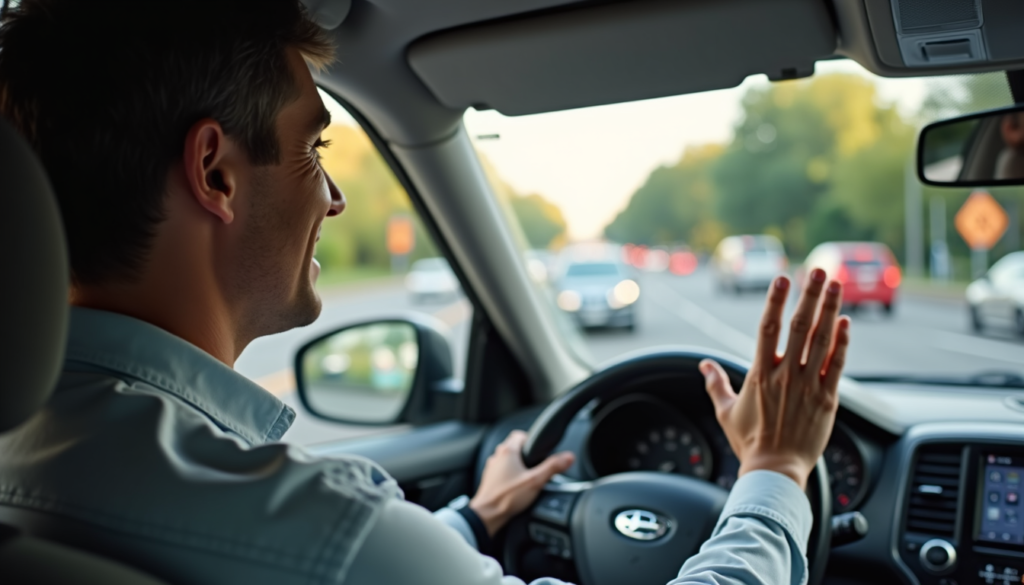
Road stress builds slowly until it explodes. Prevent it with simple tools. Before driving, take three deep breaths—inhale for four counts, hold for four, exhale for six. This shifts your nervous system from fight mode to calm. During the drive, practice perspective shifts. That person who cut you off? Maybe they’re rushing to the hospital. You don’t know their story. After intense commutes, give yourself recovery time—sit in the car for two minutes before walking inside, or take a short walk. Don’t carry road rage into your home. Managing stress before it manages you means building small habits that keep your nervous system regulated. Start with one technique today.
H2: Personality Traits Revealed by Driving Style
The personality traits revealed by driving style are surprisingly accurate. Watch for five key patterns: discipline (do you follow rules or bend them?), empathy (do you consider other drivers’ needs?), reactivity (how fast do you escalate from calm to angry?), patience (can you wait without suffering?), and assertiveness (do you claim space or shrink back?). These driving habits that reveal personality traits show up everywhere—the way you handle deadlines, navigate conflict, and respond to frustration. Understanding your personality through your driving patterns creates awareness. And awareness is the first step to change. You can’t fix what you don’t see.
H2: Conclusion — Lessons from the Road
The seven types of drivers you encounter—aggressive, cautious, distracted, confident, anxious, reckless, and polite—aren’t just labels. They’re mirrors reflecting how you handle stress, control, fear, and pressure in every area of your life. Understanding the psychology behind these patterns, recognizing how emotions hijack your decisions, and identifying your own behavioral triggers gives you power. The road reveals what’s hidden everywhere else. Here’s your challenge: for the next seven days, observe yourself driving without judgment. Notice your grip on the wheel, your breathing when someone cuts you off, your reaction to red lights. Write down what you see. Those driver types patterns you identify? They’re showing up in your relationships, your work, and your stress responses too.